OUR MISSIONS
We are building autonomous robotic systems to extend orbital infrastructure to the Moon in 2028, Mars in 2032, and near-Earth asteroids in 2033 for resource verification and surface intelligence.
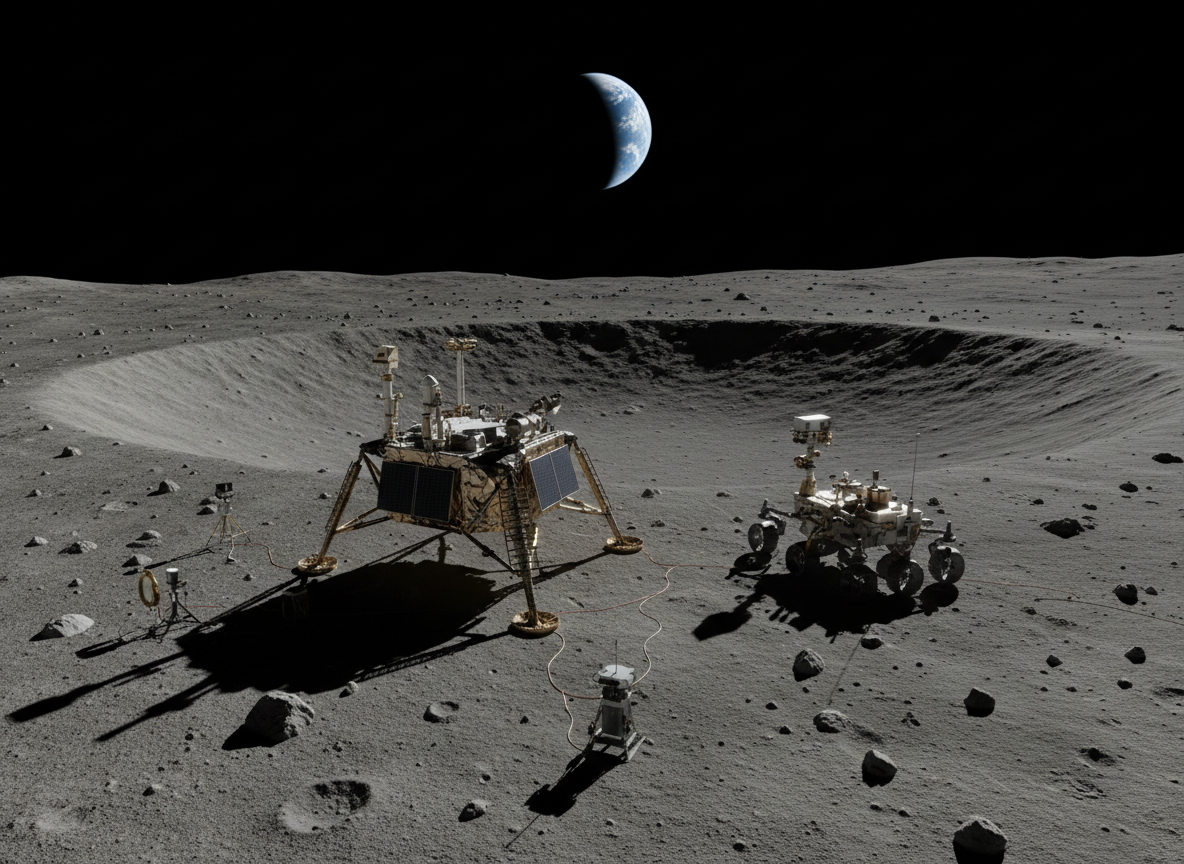
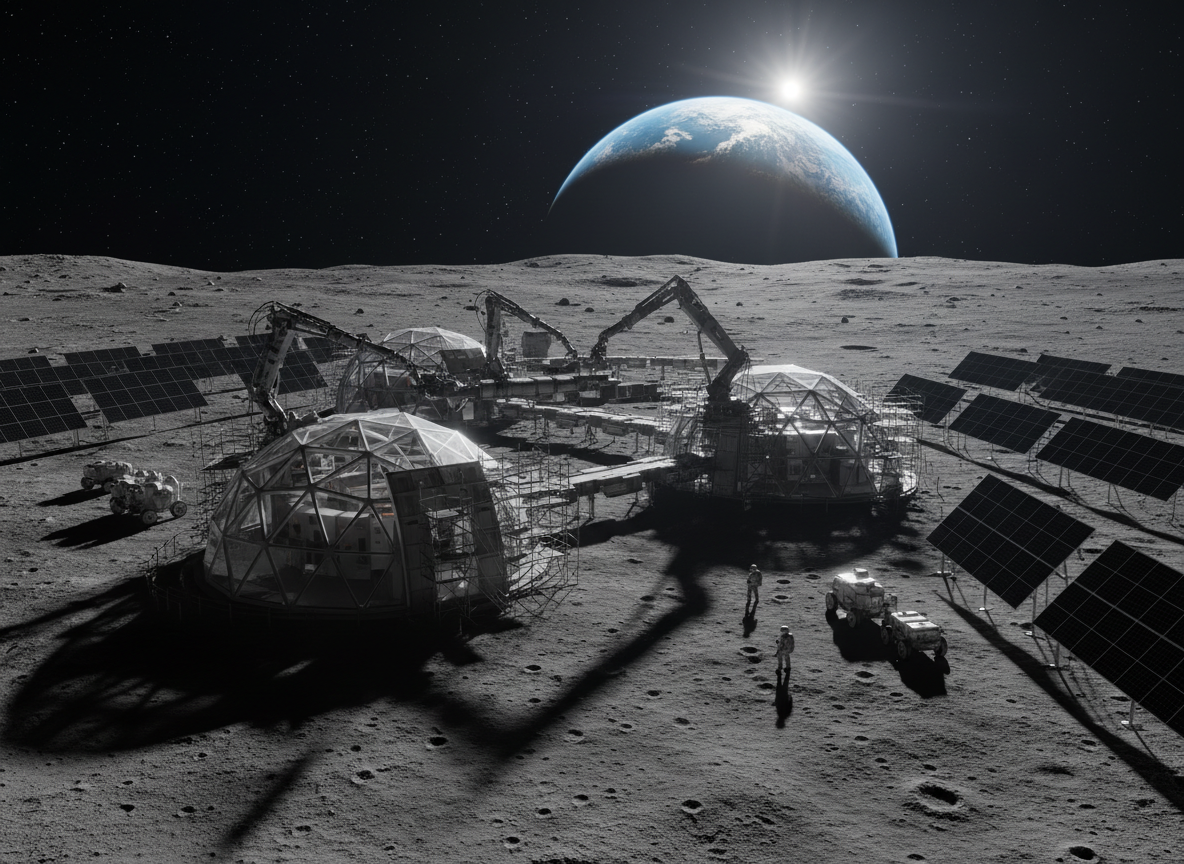
Lunar Operations
Autonomous robotic missions for lunar logistics, geological survey, resource extraction, and infrastructure preparation at the south pole.
- South pole geological survey
- In-situ oxygen extraction
- Reconnaissance mesh network
- Surface node construction
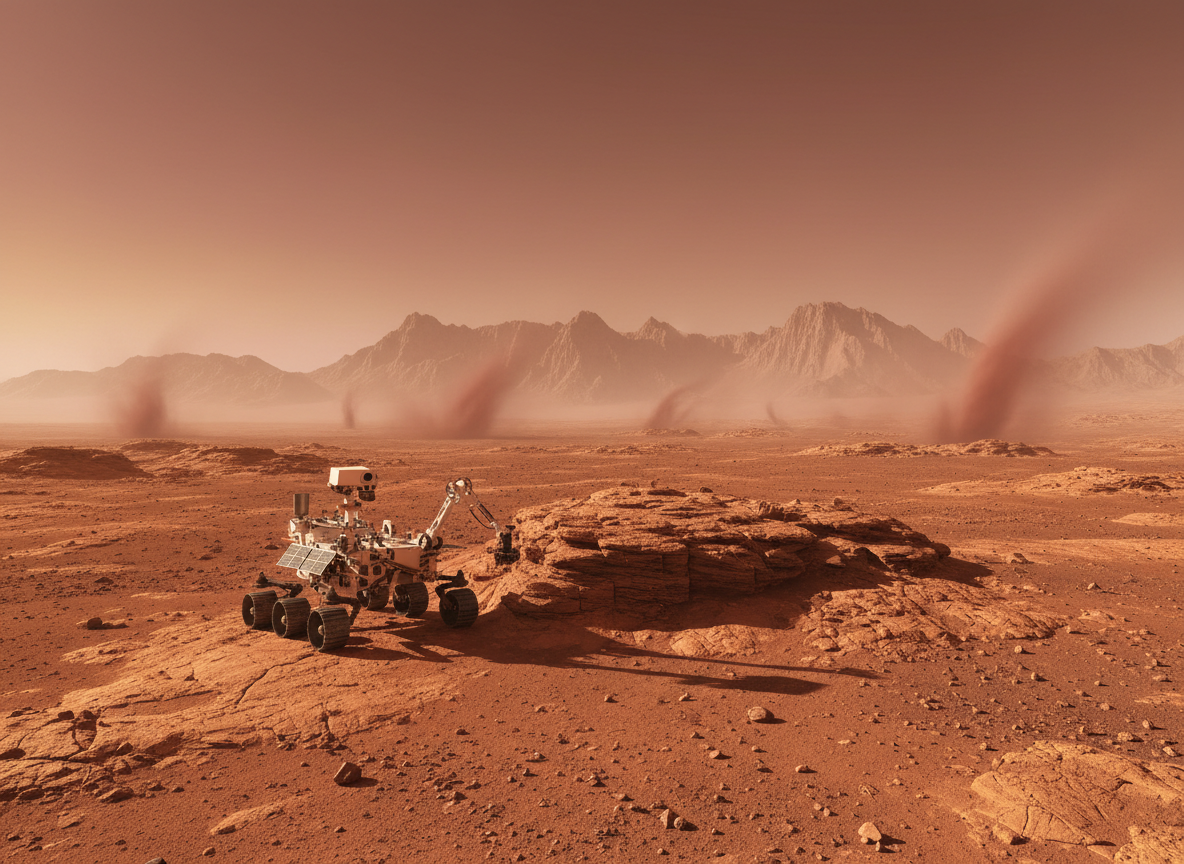
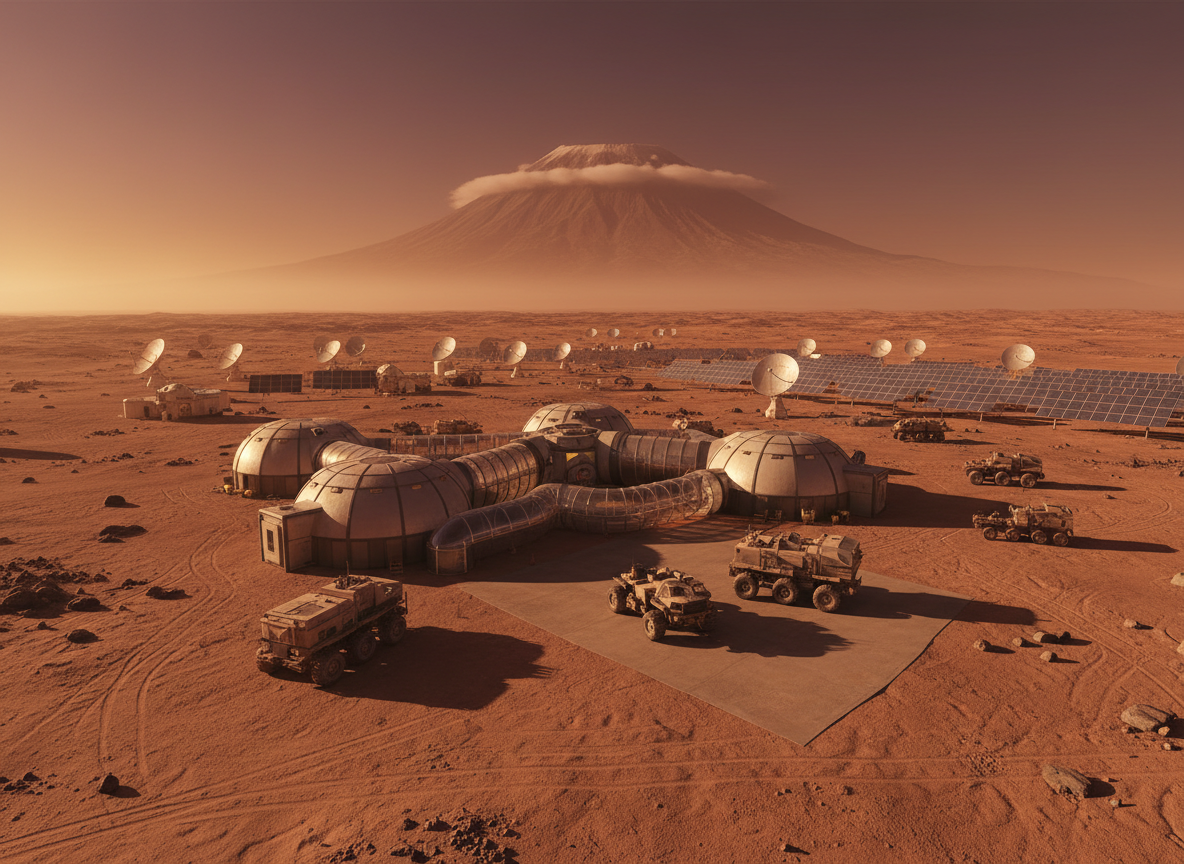
Mars Operations
Long-range robotic systems for Mars surface science, deep subsurface drilling, complex terrain engineering, and aerial reconnaissance.
- 10+ meter subsurface drilling
- Biosignature detection
- Legged terrain navigation
- Aerial mapping and relay
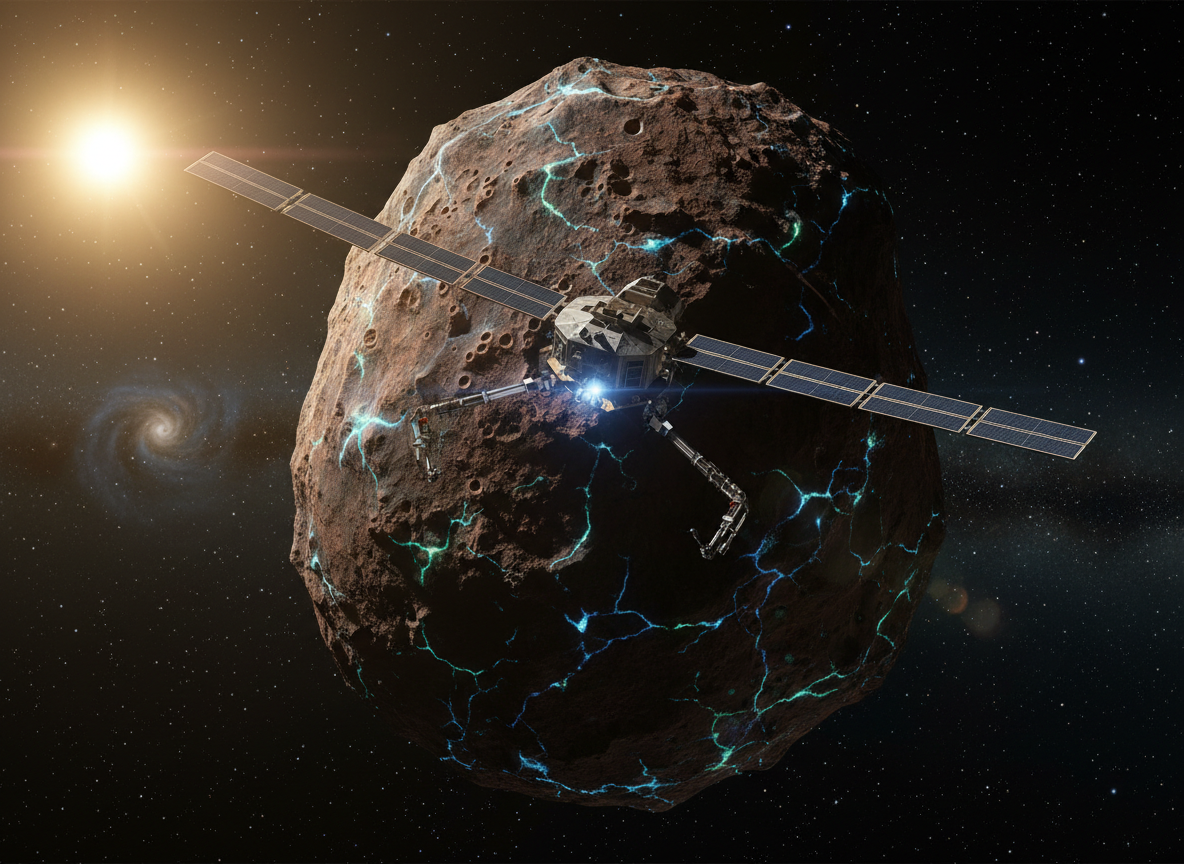
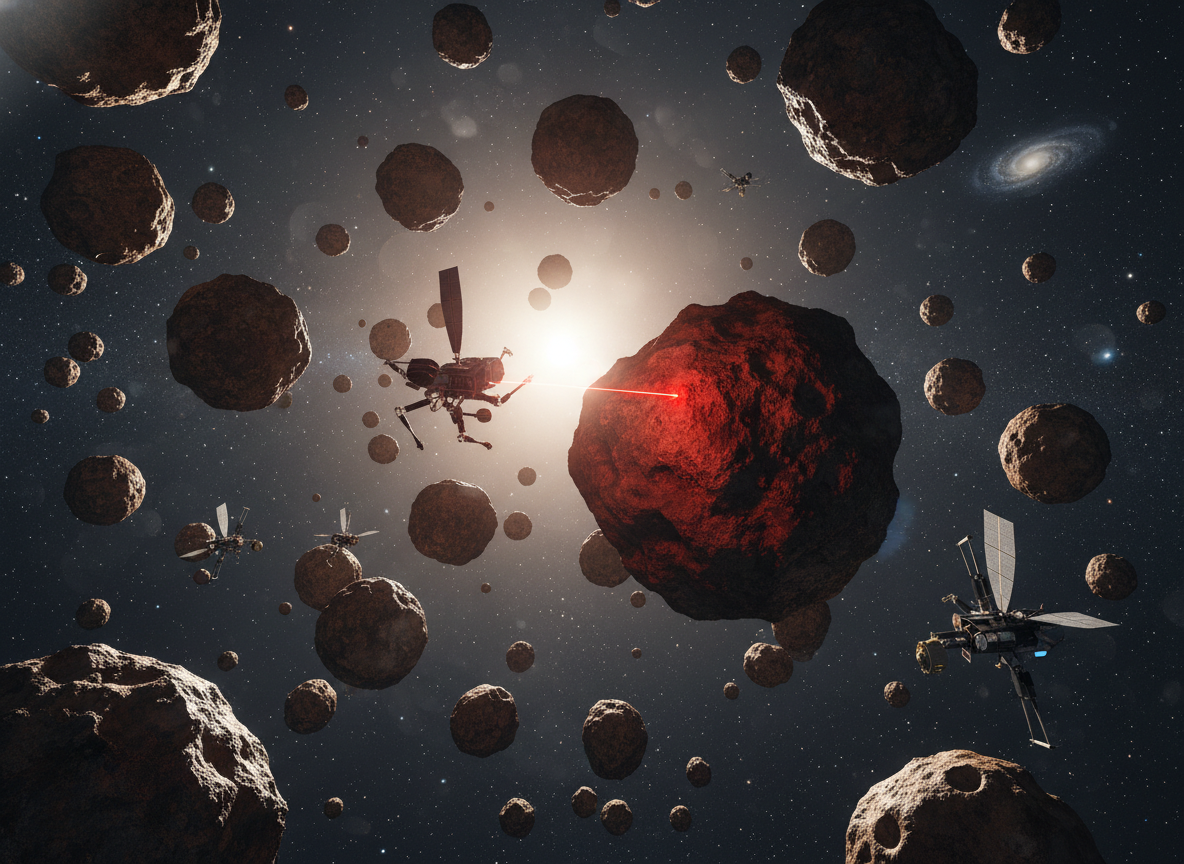
Asteroid Resource Survey
Robotic prospecting missions for near-Earth asteroid assessment, composition mapping, and in-situ resource verification.
- Spectral composition analysis
- 3D surface mapping
- Sample collection and staging
- AI target prioritization

Every mission. One command architecture.
All OEX missions — lunar, Martian, and asteroid — operate under the Neural Autonomy v4 platform. Vehicles share sensor data, negotiate task allocation, and adapt mission parameters in real time through a unified orbital relay intelligence layer.